There is a moment most travelers know, even if they have never named it. You step out of the car, through the door of a truly good hotel, and something in your body lets go. Your shoulders drop. Your voice lowers. You have not yet seen your room, and already you feel taken care of.
That moment is not luck. It is choreography. The weight of the door, the temperature of the light, the scent that reaches you before the front desk does, the stone that feels somehow cool and warm at once under your palm — every element has been considered by people whose entire discipline is anticipation. Great hospitality is the art of caring for someone before they ask.
The question the studio keeps circling is a simple one. Why should that feeling be reserved for travel? You will spend perhaps a hundred nights of your life in beautiful hotels, and tens of thousands in your own home. The rooms that should receive you best are the ones with your name on the deed.
The choreography of arrival
Watch a great hotel closely and you can read its score. Arrival is never a single event; it is a sequence. First comes the threshold — a moment of compression, a lowered ceiling or a dim vestibule, so that the space beyond can open with a quiet sense of release. Nothing is revealed all at once. The building unfolds, and the unfolding is the welcome.
Then the senses are addressed in order. Scent arrives first, because it always does — cedar, fig, something green — establishing place before your eyes have adjusted. Light comes next, and it is never a flat overhead wash; it is pools and layers, lamps at eye level, a glow that flatters faces and slows the pulse. And then touch. The first surface your hand lands on — a bronze door pull, a rail of worn oak, the edge of a stone console — has been chosen to reward it.
Every one of those moves translates to a house. Your entry is a lobby in miniature. It deserves a place to set keys that is not a countertop of mail, a lamp that greets rather than a ceiling fixture that interrogates, a material at hand height that feels like an invitation to stay. When the studio plans a home's arrival sequence, it asks the same questions a hotelier asks. What does the first breath smell like. Where does the first glance rest. Where does the hand land.
This is the lens Brady carries from years of hospitality-informed work, including his time in senior design leadership at RH, where rooms were composed less like showrooms and more like residences you were reluctant to leave. The enduring lesson of that world is that atmosphere is not an accident of good taste. It is built, deliberately, one sensory decision at a time.
The bar cart and the guest room
If arrival is the overture, generosity is the score itself — and in a home it lives in two humble places: the bar and the guest room.
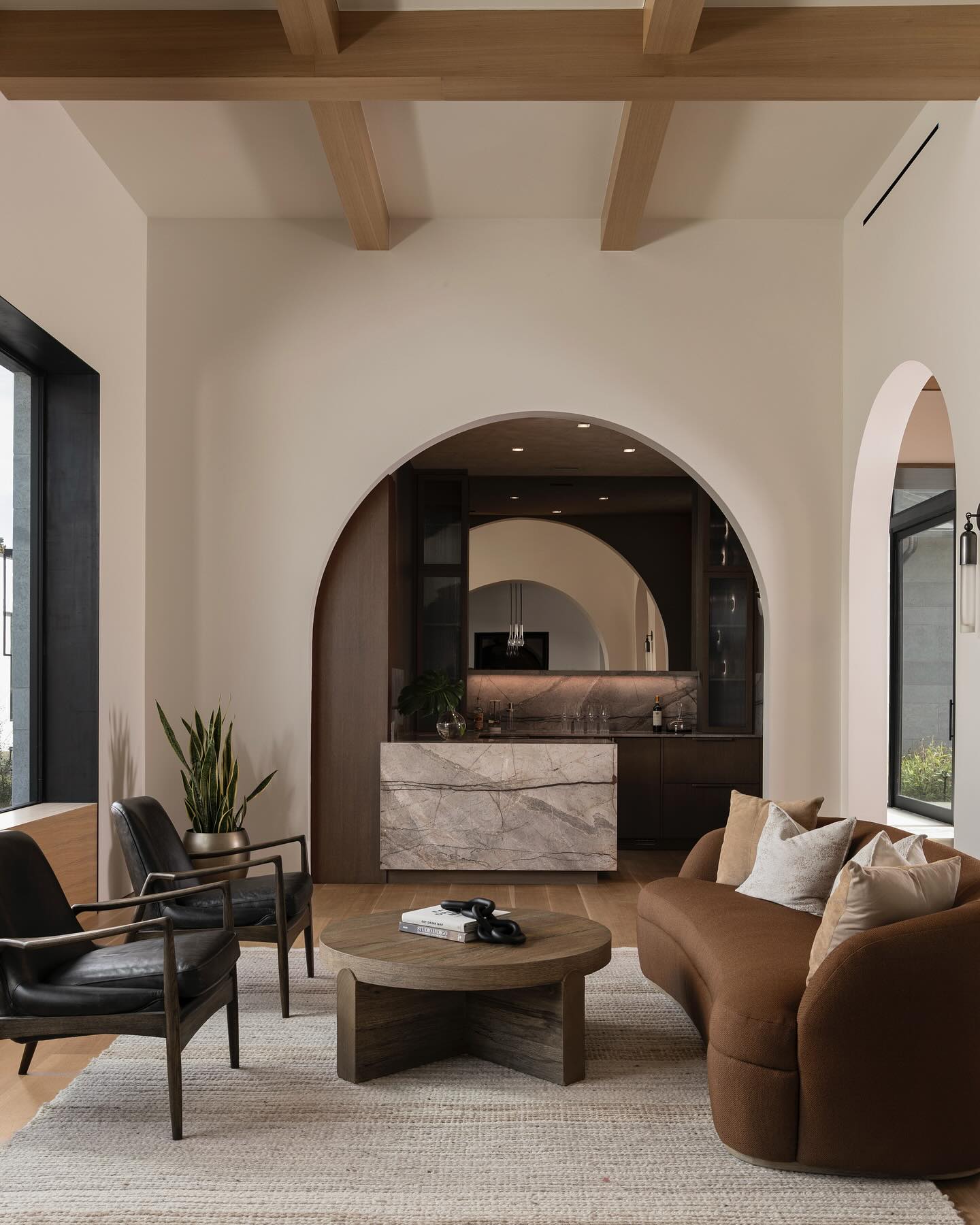
A bar cart, or a proper bar where the house allows it, is a small standing promise that someone may stop by, and that when they do you will be glad. It should be stocked for use rather than display — glasses within reach so no one has to ask, something for the friend who drinks and the one who does not, the good bottle open rather than saved. In The Arcade House, a plaster arch draws the eye from the lounge to a quartzite bar, so the offer of a drink is visible from the sofa. Hospitality works best when it is architectural.
The guest room asks for the same honesty. Most guest rooms are storage with a bed in them, and guests can feel it the moment the door opens. A real one is written like a good hotel room: reading light on both sides, an honest place for a suitcase, water and a glass on the nightstand, blackout that actually blacks out, a drawer and six hangers that are genuinely empty. None of this is expensive. All of it says the same thing — we thought about you before you arrived.
Hospitality is not a style. It is a decision, made in advance, that the people in your home will be cared for — including you.
The person you are at 11pm
It is easy to romanticize hosting — the long table, the dinner for twelve, candlelight down the runner. Design for that, certainly. But the truest test of hospitality at home is quieter. It is who the house is for once everyone has gone.
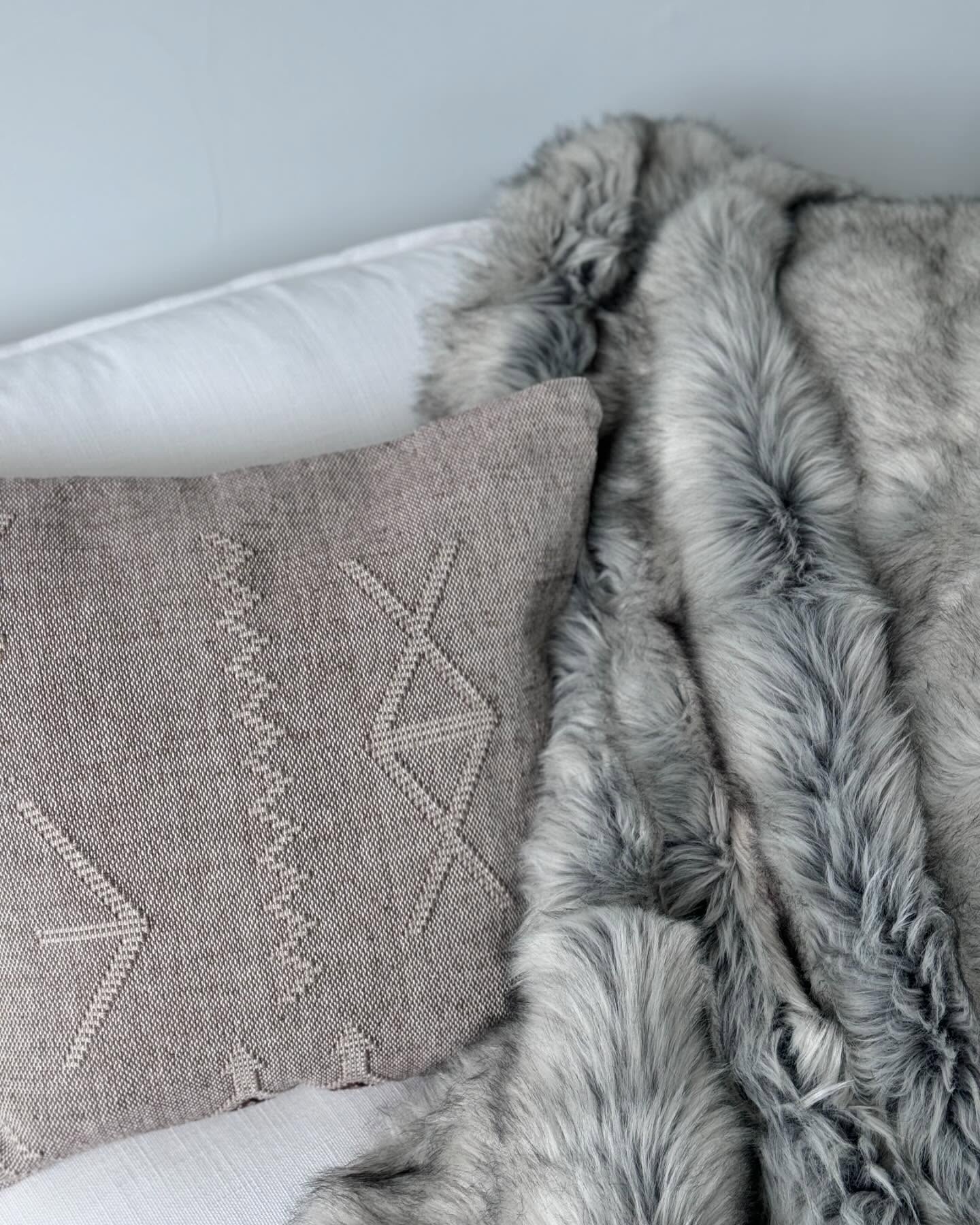
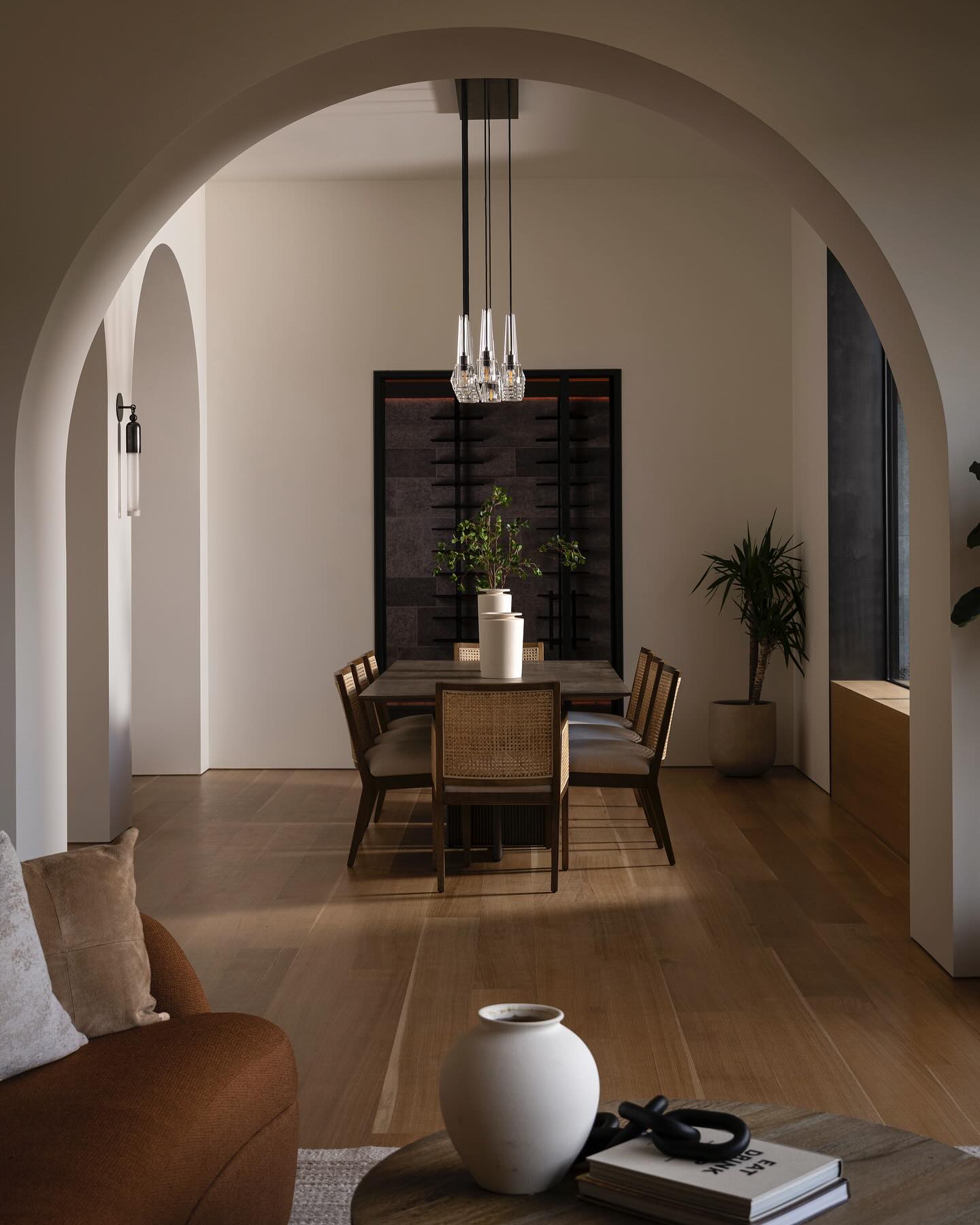
Most nights, the person you are hosting is you at eleven o'clock — one lamp on, the kitchen putting itself to bed, a last half hour before sleep. That person deserves the same generosity as any guest. A chair that actually holds you. Light that has come down to candle-warmth. The glass, the book, the throw within reach of the hand that wants them. When the studio composes the styling and living experience layer of a home, this is much of what it is arranging: the textiles, objects, and small rituals that make the late hours feel attended to.
Seen this way, hospitality at home is simply intentional living turned outward — the same attention to sense and ritual, extended to whoever walks through the door. And it scales down gracefully. Begin small. Fix the entry so it greets you. Stock the cart. Spend one night in your own guest room and take notes; you will come away with a list.
A home that receives people well tends to receive its owners best of all. If you would like a partner in composing that kind of welcome — from arrival to nightcap — start the conversation.